Co-Op vs. Condo

The New York City housing market is truly a beast of its own. We are living in a world where you can’t simply buy a house, white picket fence, and start planting the seeds of your American Dream. Instead, our homes are divided into a series of different housing types. For those of you looking to buy, or simply for those of you looking to understand more about the housing industry in the city, here is a breakdown of the most popular forms of home ownership in New York City:

Cooperative

Roughly 75 percent of the Manhattan housing inventory is comprised of co-ops. Unlike a condo, co-ops are are owned by a corporation. This means, when you buy an apartment that is in a co-op building, you are not actually buying real property (like you would in a condo). You are in fact, buying shares of the corporation. These shares entitle you to a proprietary lease, which relates your relationship to the building close to that of an investor, rather than a condo building, where you are the outright owner of your specific unit. Usually, the larger the apartment, the more shares you will have in the corporation you have bought into.

Now that you know what it is you are buying, we can now look into how a co-op differs from a condo. First off, the approval process for co-op buildings is significantly more intensive than in condominium buildings. Co-op shareholders, unlike condo residents also pay a monthly maintenance fee to cover building expenses and upkeep like heat, hot water, insurance, staff salaries, real estate taxes and the mortgage debt of the building. Assessments on the building can also be incurred on the building and will (sometimes) drastically affect the value of the property you are considering.

The infamous co-op board sets their own standards in terms of the approval process as well as how the building is managed. Seeing that everyone owns shares in the building, the community as a whole is more concerned with who the building does or does not allow into the building. Co-op boards also require an interview (or interviews) to meet you and ask any questions regarding the information you provided. They can approve or deny any applicant as they choose. The co-op buying (and selling) process is tricky one, where a real estate broker will certainly come in handy.

Condominium

Condominium apartments differ from co-ops seeing that you will be owning real property. Think of purchasing a condo like purchasing a house in the suburbs, the purchaser is given an actual deed to the property purchased. Seeing that you own real property rather than shares in a building, each individual apartment will receive a separate tax bill from the city (rather than having your taxes be complied into monthly maintenance as seen in co-ops). Condo owners are required to pay monthly common charges similar to the maintenance charges in a co-op, however these charges tend to be lower than in co-ops because there is no underlying mortgage for a condominium building.

The straightforward nature of buying a condo plus the fact that in some cases you can finance up to 90 percent of the purchase price and sublet your apartment at will makes this form of ownership a top choice for flexibility, especially among investors, foreign buyers and parents purchasing for their children. That being said, there are significantly fewer condos to come by. The majority of the New York City real estate market takes the form of a cooperative, while most new construction tends to be condo. Many talk in high regards toward condos, however the community that is formed within a cooperative building is significantly closer. Condo owners tend to keep to themselves, seeing that they own their property, while co-op owners see their role as part of the whole, rather than as an individual. Either way both forms of ownership provide different costs and benefits to consumers. If you are looking for an apartment, I would recommend looking at both forms of property. Consult with your broker, move quickly (in this market you have to), and eventually find a house you can make your home.

Info originally on: www.huffingtonpost.com

What’s ahead for the housing market in 2016


2016 is the year to stop renting and start buying. (Big Stock)

We all have a big financial stake in housing — as homeowners, renters, landlords and/or taxpayers.

Let’s consider the major macroeconomic trends in 2016 that will significantly impact those stakes.

Homeowners should enjoy another year of solid gains in house prices. Prices have been moving steadily higher since the housing bust hit bottom four years ago and should post another gain in the middle single digits. With a bit of luck, prices nationwide could reach close to the all-time peaks seen in the housing bubble a decade ago.

This time, however, house prices are on very solid foundations; they are supported by homeowners’ incomes. In the bubble, too many of us got into homes we couldn’t afford by committing to mortgages that made no financial sense. Of course, millions defaulted on these loans, resulting in the financial crisis and the Great Recession.

No one is getting crazy mortgages today. Regulatory changes in the wake of the crisis and chastened (thus much more cautious) mortgage lenders make that all but impossible.

The financial affliction of negative homeowners’ equity, in which the house is worth less than the mortgage due, is fast fading. At the worst of the problem, close to 17 million homeowners were underwater. By the end of 2016, that should be down to a more typical 5 million homeowners.

Market conditions should be good for owners looking to sell their homes. The historically low number of new and existing homes for sale makes it even more of a seller’s market. Many homeowners appear to have a psychological antipathy to selling until prices have fully recovered from the bust, so this could be an auspicious time for those willing to sell.

Home-buyers have to grapple with the higher prices and lack of inventory, but they should benefit from an improving job market, continued low mortgage rates and easier credit. With the economy set to achieve full employment in coming months, the so-far lackluster wage growth is picking up. Fixed mortgage rates are unlikely to stay below 4 percent for much longer, but they don’t appear set to rise sharply either.
First-time home-buyers, in particular, should have an easier go of it. The Federal Housing Administration, the government agency that primarily helps first-timers get mortgages, cut its fees last year and may do so again soon as its finances continue to improve.

Fannie Mae and Freddie Mac, the big mortgage lenders owned by taxpayers since the crisis, are also working to lower the high credit bar many potential buyers have struggled to get over. The credit scores that borrowers need to get a loan are still very high by historical standards, but they have finally begun to normalize.

For renters, 2016 will be a difficult year, as rents continue to rise strongly in most parts of the country. The problem is that demand for rental units has been outstripping supply, and vacancy rates are now about as low as they have been in 30 years. Fueling demand are the millennials who are finally finding jobs and striking out on their own, along with households that have lost their homes in foreclosure, and more empty-nesters looking to downsize and simplify.

Builders are ramping up construction of apartments, but in most places they still aren’t meeting the demand, especially for affordable rental units in urban centers. Rents will continue to rise strongly.

It is worth noting that builders have also been slow to increase construction of new single-family houses, which are also in increasingly short supply. Housing has swung from being vastly oversupplied in the bust to being in what more and more is a shortage. This is a problem mainly for affordable, starter homes.

Of course, quickly rising rents are a boon to landlords. It’s no exaggeration to say that 2016 may be the best year ever for those fortunate enough to own multifamily property. Vacancy rates are low, rents high, and prices for apartment complexes have never been better. Wealthy foreign investors from places including China and Germany are clamoring to own U.S. real estate.

In general, taxpayers should be pleased with 2016 as they reduce their support to the housing market. During the crisis, the government had no choice but to step into the void left by the failing financial system and ensure that homeowners could still get a mortgage. Thus, taxpayers’ takeover of Fannie and Freddie; they are too big to fail.

Fannie and Freddie will remain under government stewardship for the foreseeable future, but they are selling to private financial institutions more of the risk that they take on when backstopping mortgage loans. This risk-sharing could be expanded even more, as private investors seem very interested in taking on more risk, and Fan and Fred should oblige.

To sum up, homeowners, landlords and taxpayers should have a good 2016; renters, not so much. Gauging trends in housing is often an intrepid affair, but these trends seem firmly in place for the coming year.


Written by Mark Zandi, Originally posted on: https://www.washingtonpost.com


25 Safest Suburbs in Michigan

Safety is a concern for most, especially when deciding on where to live. Below is a list of the 25 safest Suburbs in Michigan according to Niche.com

Niche ranks US suburbs based on assaults, burglaries, and violent crime rates. A high ranking indicates that a suburb has low crime rates across multiple categories.

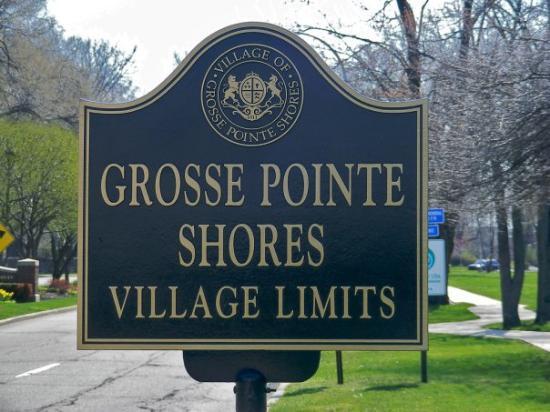
grosse-pointe-shores

http://987ampradio.cbslocal.com/

Village of Grosse Pointe Shores Wayne County, Michigan


2  Thetford Township Genesee County, Michigan

Bloomfield Hills Oakland County, Michigan

Wolverine Lake Oakland County, Michigan

Pinckney Livingston County, Michigan

Grosse Ile Township Wayne County, Michigan

East Grand Rapids Kent County, Michigan

New Baltimore Macomb County, Michigan

Hamburg Township Livingston County, Michigan

10 Huntington Woods Oakland County, Michigan

11 Zilwaukee Saginaw County, Michigan

12 Rochester Oakland County, Michigan

13 Rockford Kent County, Michigan

14 Grand Ledge Eaton County, Michigan

15 Spring Lake Ottawa County, Michigan

16 Richfield Township Genesee County, Michigan

17 Lincoln Township Midland County, Michigan

18 Brighton Livingston County, Michigan

19 Tittabawassee Township Saginaw County, Michigan

20 Romeo Macomb County, Michigan

21 Mattawan Van Buren County, Michigan

22 Marysville St. Clair County, Michigan

23 Thomas Township Saginaw County, Michigan

24 Essexville Bay County, Michigan

25 Northville Wayne County, Michigan


Information originally posted on local.niche.com

How to arrange your furniture

Deciding on furniture and laying it out can be tough, it’s even harder if the room is small or odd shaped.

First decide on what the main use of the room will be (social gathering, t.v. and playroom, etc). Then decide on the focal point. Is there a fire place, a nice bay window, or this could also be where the t.v. is hung).

I usually like to place the largest piece of furniture so it faces the focal point and then work from there.

You want to keep flow of traffic in mind. Try not to block off door ways, it can make a room feel much smaller and uninviting.


studio-apartment-living-furniture-arrangement-1017x1024(http://www.homedit.com/how-to-arrange-furniture-in-a-small-living-room/studio-apartment-living-furniture-arrangement/)

If you are planning to sell, you should definitely consider reevaluating your layout.  You want each room to look as big as possible so taking out one of your sofas or rearranging them could make a world of difference.


The BIG why

Just about every real estate class mentions your BIG why. It is the reason you get out of bed and go to work, the reason, you fight to be the best. Everyone should have this, not just agents. Now, obviously when you are in charge of your schedule and income, you definitely need an added reminder as to why you should get up and get out there.

sale pending


This was my dream board I made last year when I started. I keep it in my office because I like the reminder. After my signs arrived today, the reason I took the photo above, I realized my dream board was growing.

Keeping a positive mindset is important. Appreciate every. single. day. Why? Because you are here. If you don’t like something in your life, then change it. Your happiness effects everything. Your physical health, you friends, and family.

My mother was telling me a story about a coworker, smart guy, but always complains about work, says it doesn’t matter. He doesn’t care. I told her the next time he says this to tell him, “I know, it shows”.

Why show up if you’re not mentally clocked in? Make your changes. Baby steps if you have to. But things definitely get better when you work towards the positive.

101 Topics for a Real Estate Blog

2016 is RIGHT around the corner. My business plan is done and I am fine tuning my schedule. Part of my plan is to write. There is so much information available to us, but sometimes it is hard to find the right info. I intend to bring current Real Estate news, home tips, and so much more. Below is a list of ideas to kick start your real estate blog.

101 topic ideas for your real estate blog:

  1. A story about your neighborhood.
  2. Write about a business.
  3. Your pet.
  4. Go through your email; is there a question or comment from one of your clients that can be made into a post?
  5. Listen to your buyers; their comments and ideas make great blog posts.
  6. Listen to your sellers; answers to their questions are blog posts.
  7. Conversations with other agents.
  8. Architecture or housing styles in your area.
  9. Historic buildings, homes or landmarks.
  10. Market statistics for your area, including average prices and absorption rates.
  11. Write to or about a demographic.
  12. Take a picture of something ordinary in your neighborhood and write about it.
  13. Home maintenance.
  14. Take a walk, and take pictures as you go.
  15. Senior housing.
  16. Pet-friendly housing.
  17. Staging ideas.
  18. Local events or festivals.
  19. Your hobby.
  20. A closing.
  21. A lender who did a great job.
  22. Things that go wrong with real estate sales.
  23. Homeowners insurance.
  24. Gardening and landscaping.
  25. Your city council.
  26. A new development.
  27. Lofts.
  28. Decorating ideas.
  29. Real estate industry news –- with your own unique commentary.
  30. Mortgages news.
  31. Interest rates.
  32. Credit scores.
  33. Consumer hoaxes and scams.
  34. First-time homebuyer programs.
  35. Working with seniors.
  36. Working with baby boomers.
  37. Second homes.
  38. Investment properties.
  39. Buying a foreclosure.
  40. Selling a foreclosure.
  41. “Rehabbing” a home.
  42. Home energy conservation.
  43. Final walkthrough.
  44. Equity stripping scams.
  45. Agency.
  46. Real estate companies.
  47. Transportation and parking.
  48. Schools.
  49. Churches.
  50. Day care.
  51. Paint and painting.
  52. Pest control.
  53. Good neighbors.
  54. Bad neighbors.
  55. Overpriced homes.
  56. The homebuying process.
  57. The home selling process.
  58. Book review of a real estate-related book.
  59. Real estate laws.
  60. Real estate terms.
  61. Moving with children.
  62. Moving.
  63. Moving with pets.
  64. Places to eat.
  65. Places to shop.
  66. Commentary on local news stories.
  67. Commentary on local public policy.
  68. Tell a story about a client who was fun to work with.
  69. Write about what it is like to be a Realtor.
  70. When taking classes find something you learned that could be used as a post.
  71. Write off-topic humor.
  72. Environmental issues.
  73. Landlord or tenant issues.
  74. How to sell a house.
  75. How not to sell a house.
  76. Building trends.
  77. Parks.
  78. Local public art.
  79. Home safety.
  80. Review websites on local or real estate-related topics.
  81. Property taxes.
  82. Crime.
  83. Open houses.
  84. Trends in kitchen design.
  85. Area events for children.
  86. The local zoo.
  87. Where to play golf.
  88. Coffee shops.
  89. Women homebuyers.
  90. Advice for FSBOs.
  91. Interview someone.
  92. Local real estate market trends and observations.
  93. Furniture.
  94. Investment scams.
  95. Mortgage fraud.
  96. Types of mortgages.
  97. Homeowners associations.
  98. Attend a public meeting and write about it.
  99. Weekend getaways close to home.
  100. Real estate apps.
  101. Fair housing issues.


http://www.inman.com/2013/06/27/101-topic-ideas-for-your-real-estate-blog/